
Industrija – ne suva gradnja
Radimo na cevima, postrojenjima i tehničkim prostorijama – ne na suvoj gradnji ili enterijerskim oblogama.
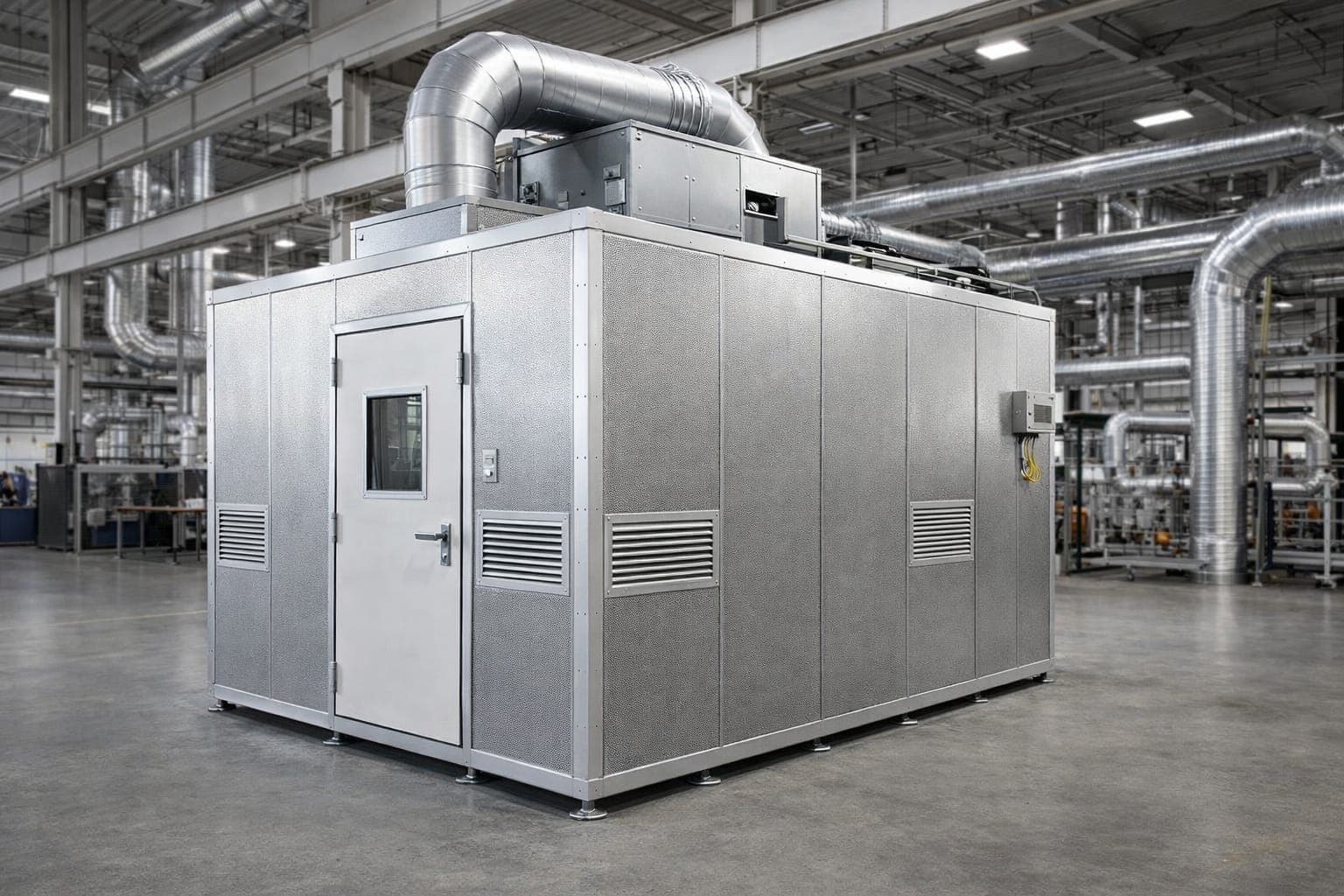
Zvučna izolacija u tehničkoj izolaciji: smanjenje buke, razdvajanje strukturnog zvuka, stabilniji rad sistema.
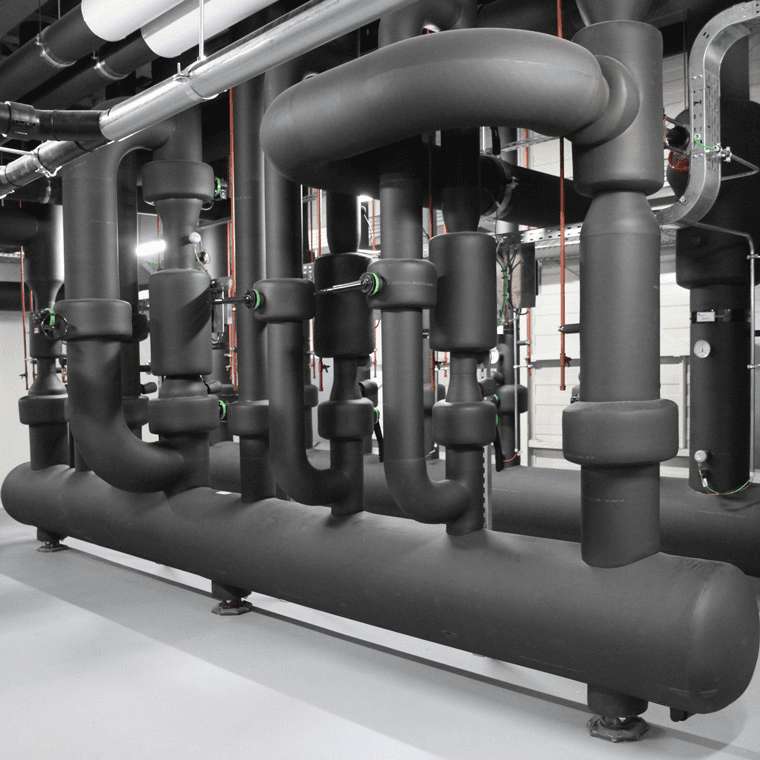
Razdvajanje na nosačima
Nosači i konzole su česti mostovi prenosa zvuka. Pravilno razdvajanje i odgovarajuća konstrukcija najčešće donose najveći efekat u praksi.
Industrijska zvučna izolacija smanjuje prenos buke na cevovodima, postrojenjima, ventilacionim kanalima i tehničkim sistemima. Presudni nisu samo materijali, već posebno pravilno razdvajanje i čista izvedba detalja.
U Beogradu i okolini realizujemo rešenja tako da tipične slabe tačke kao što su nosači, prolazi, prelazi i servisni otvori budu tehnički ispravno rešeni – za manje buke i manje vibracija u svakodnevnom radu.
Buka nije uvek ista: vazdušni zvuk i strukturni (konstrukcioni) zvuk zahtevaju različite mere. Rešenja biramo prema stvarnom uzroku.
Radimo na cevima, postrojenjima i tehničkim prostorijama – ne na suvoj gradnji ili enterijerskim oblogama.
Prelazi, prodori, servisni otvori i završeci određuju rezultat – zato ih planiramo pažljivo.
U praksi buka dolazi sa tipičnih komponenti. Mere primenjujemo tamo gde imaju tehničkog smisla – uz odgovarajuće sisteme izolacije, razdvajanje i robusne završne obloge.
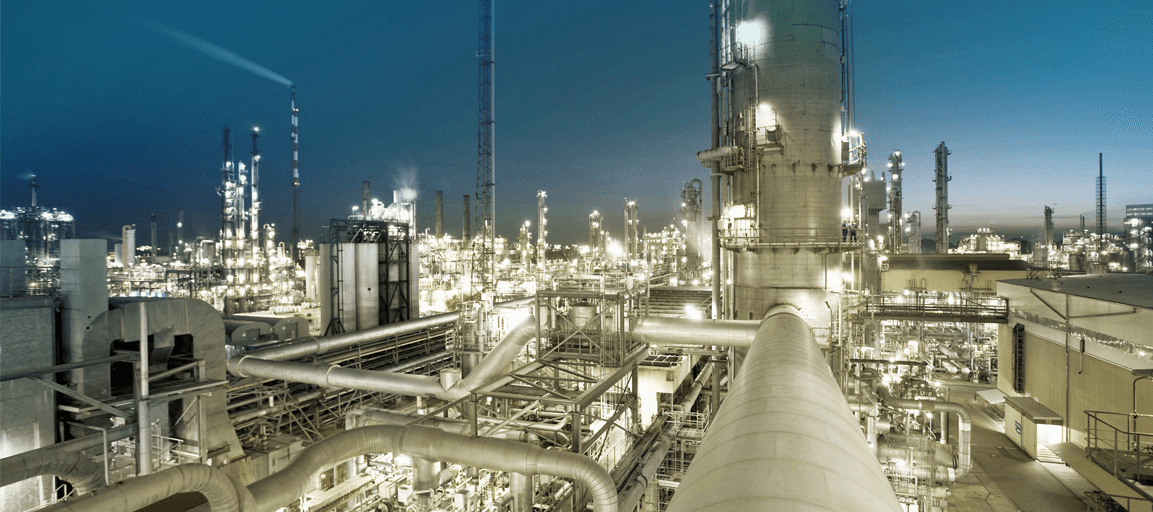
Rohrleitungen & Armaturen
Schallschutz an Leitungswegen: Dämmaufbau, Ummantelung und saubere Details an Armaturen/Flanschen – wartbar und robust.
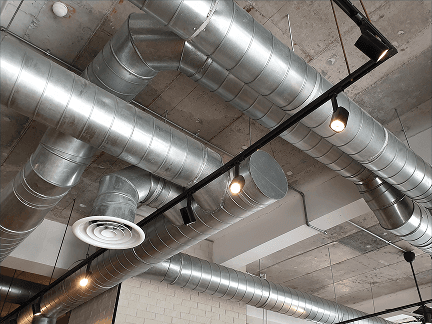
Lüftung, Kanäle & Technikschächte
Reduktion von Luft- und Körperschall in Lüftungs- und Technikbereichen – mit systemgerechter Dämmung und sauberer Ausführung.
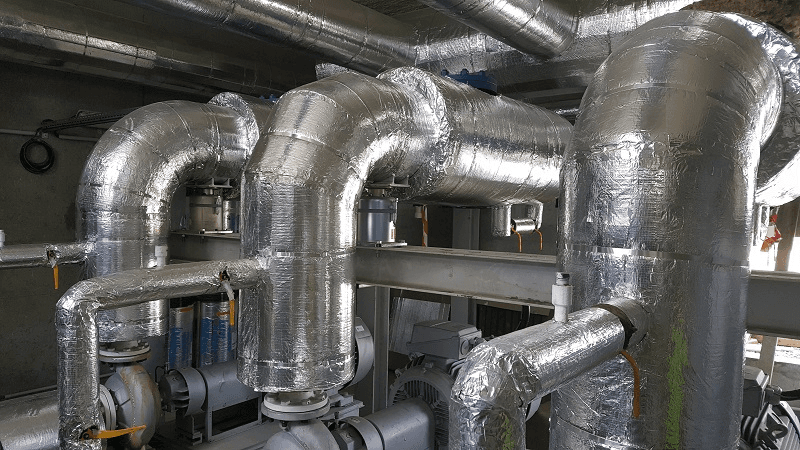
Maschinen- & Anlagenbereiche
Industrieller Schallschutz dort, wo es laut wird: Maschinen, Aggregaten, Verdichtern – mit Fokus auf langlebige Oberflächen und Wartbarkeit.
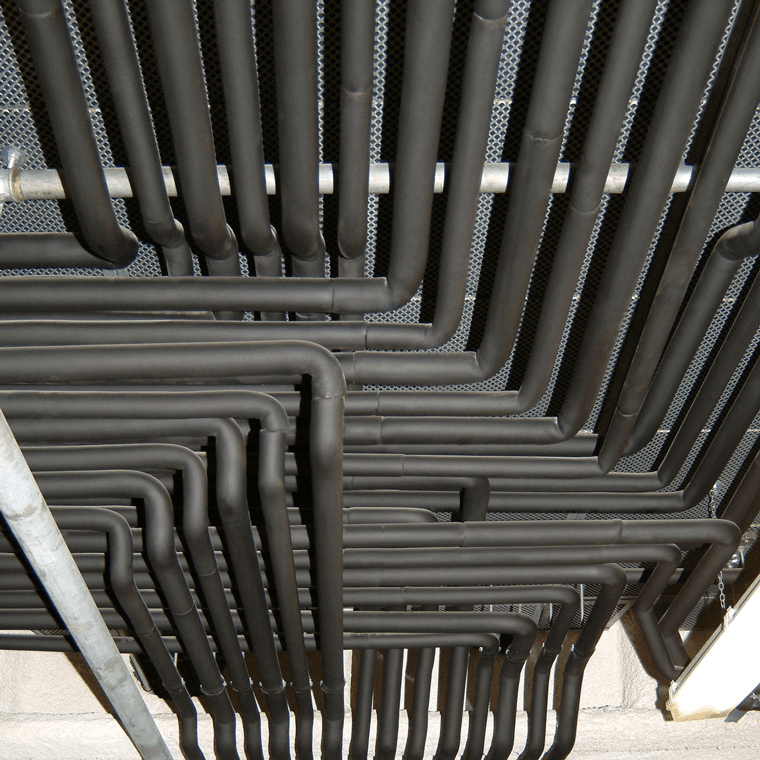
Schnittstellen & Durchführungen
Geräuschübertragung entsteht oft an Details: Übergänge, Halterungen, Durchdringungen. Hier entscheidet saubere Systemausführung.
Buka obično nastaje na nekoliko tačaka, ali se prenosi kroz konstrukcije i cevne trase na više područja.
U šahtovima i tehničkim prostorijama zvuk se brzo prenosi preko instalacija i pričvršćenja – posebno kada je prostor ograničen.
U industrijskim pogonima važni su robusni završeci, jasni spojevi i dugotrajna izvedba – čak i pri mehaničkom opterećenju.
Vibracije se prenose preko nosača i povezanih cevovoda. Pravilno razdvajanje i odgovarajuća konstrukcija značajno smanjuju prenos.
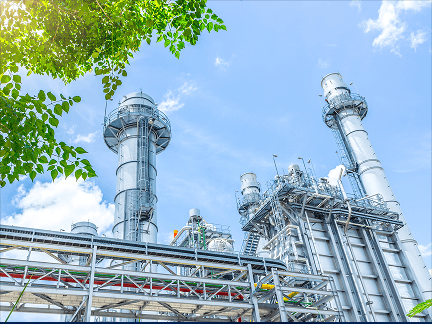
Tipična izvedba u radu
U industriji važi: tehnički ispravno, robusno i servisno prihvatljivo – sa čistim detaljima na svim spojevima.
Tipični ciljevi
Kombinujemo izolaciju, razdvajanje i tehnički čiste detalje – kako se buka i vibracije ne bi dalje prenosile kroz cevovode i konstrukcije.
Biramo konstrukcije koje smanjuju buku i izdržavaju radne uslove – npr. mineralna vuna/cevne školjke ili elastomerni sistemi poput Armaflexa.
Pričvršćenja su tipični mostovi prenosa zvuka. Rešavamo ih bez ugrožavanja pristupa za održavanje.
Da se zvuk ne bi „prenosio“ duž sistema: uredni završeci, kontrolisano vođenje instalacija i tehnički ispravni prodori.
Industrijska okruženja zahtevaju trajne završetke: zaštitu od oštećenja, čiste ivice i dugoročan rezultat.
Bez analize uzroka često se „samo doda izolacija“. Mi primenjujemo mere koje odgovaraju stvarnom prenosu buke i vibracija.
Naš fokus
Industrijski standard. Uredno. Primetno tiše.
Jasan i praktičan proces kako bi se mere u Beogradu i regionu planirale i realizovale bez komplikacija.
Gde nastaje buka, kako se prenosi i koje komponente su uključene (cev, kanal, uređaj, nosač)?
Određivanje konstrukcije, razdvajanja i detalja – prilagođeno uzroku, okruženju i zahtevima održavanja.
Precizna izvedba, robusni završeci i rezultat koji funkcioniše u svakodnevnom radu.
Jasna dokumentacija olakšava kasnije intervencije i održavanje.
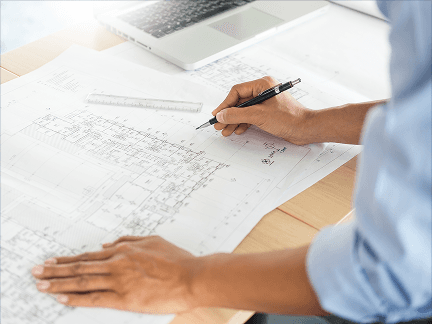
U zavisnosti od obima projekta – strukturisano i pregledno.
Dokumentujemo rešenja tako da kasnije intervencije ne naruše postignuti rezultat.
Česta pitanja – kratko objašnjena.
Recite nam gde se javlja buka ili vibracija i koje komponente su pogođene – dobićete jasno tehničko rešenje za Beograd i region.
Napomena: Slike će biti zamenjene finalnim industrijskim/tehničkim prikazima (bez suve gradnje).